Home>Gear & Reviews>Tech & Apps>How Runners Are Using Emojis to Connect on Strava and Instagram
Tech & Apps
How Runners Are Using Emojis to Connect on Strava and Instagram
Published: September 15, 2026
A practical guide to using emojis on Strava and Instagram to make your race-day posts, PR announcements, and long-run threads feel real and relatable.
(Many of the links in this article redirect to a specific reviewed product. Your purchase of these products through affiliate links helps to generate commission for Therunningadvisor.com, at no extra cost. Learn more)
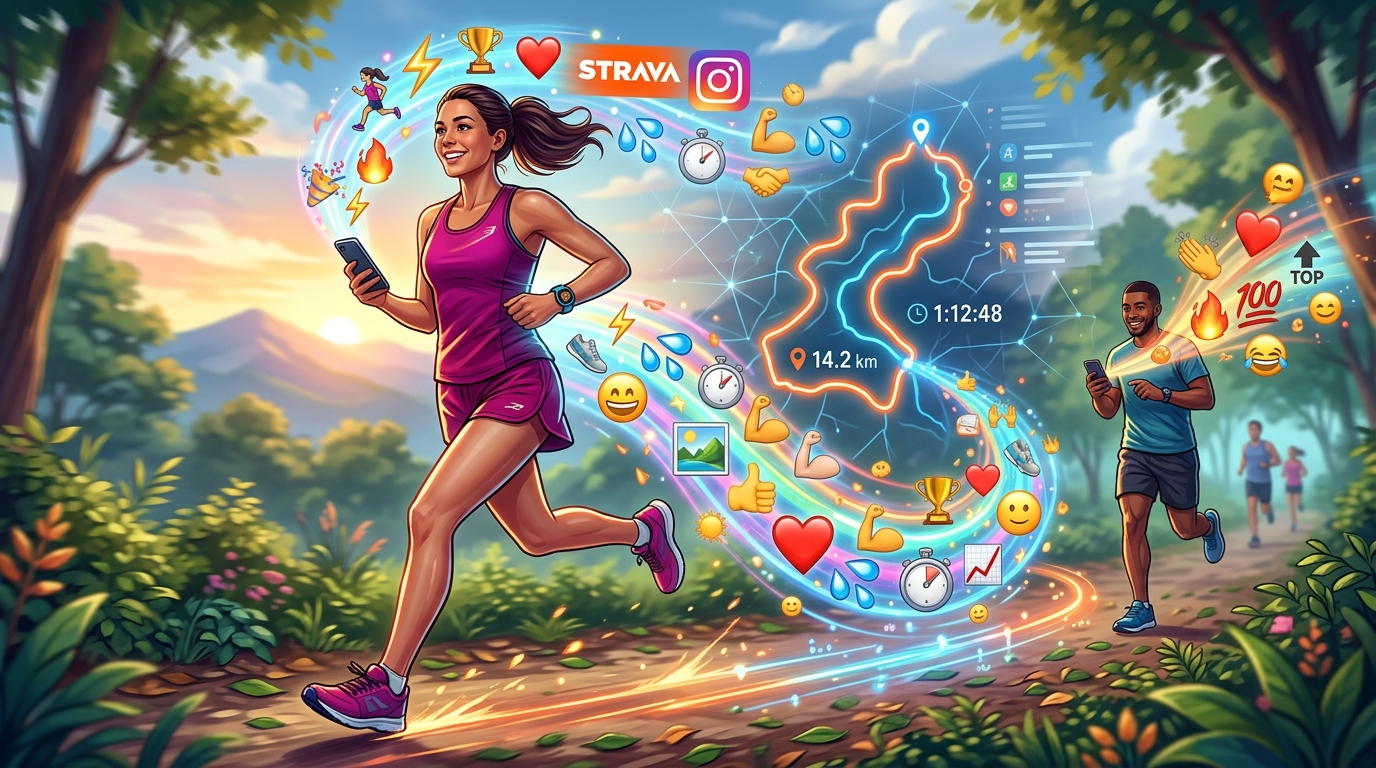
There is a moment after a hard run when you stare at your phone, sweaty and breathless, trying to write something that captures what just happened. A 5K PR. A painful 20-miler. A stress fracture update that you have been putting off sharing. Words feel clunky. Captions feel fake. And then you reach for a little yellow face and suddenly, somehow, it all makes sense. Emojis have quietly become the native language of the running community online, and learning how to use them well can make your posts feel less like content and more like a conversation.
Key Takeaway: Runners on Strava and Instagram have developed an emoji shorthand that goes way beyond decoration. The right symbols, used in the right order, can signal a PR, flag an injury, hype a starting line, or hold you accountable through a training block. This guide breaks down exactly which emojis the running community reaches for and how to use them in a way that feels human, not performulated.
Why Emojis Work So Well for Runners
Running is deeply emotional. You suffer, you celebrate, you DNF, you come back. Most of the time those feelings are hard to put into a tidy sentence. Emojis compress all of that into something instantly readable, which is why they spread so fast inside niche athletic communities.
Strava, the fitness tracking platform with over 100 million registered users, is built around social activity feeds. Every run you upload becomes a post that your followers can see and react to. The platform has its own kudos system, which works like a like button, but the comments section is where emoji culture really lives. A single shoe on your PR run. A fire symbol under your track workout. A band-aid next to an injury update. These tiny images carry weight because the community has agreed, informally but consistently, on what they mean.
Instagram adds a different layer. The caption is longer, the audience is wider, and the visual stakes are higher. But the emoji logic is the same. People are skimming fast, and a well-placed symbol stops the scroll in a way that four sentences rarely do.
The Symbols Runners Actually Use
Not all emojis are equal in the running world. Certain symbols have taken on specific meaning through repetition and community use. If you want your posts to feel fluent rather than forced, it helps to know what those are.
The running figure emoji is the most obvious starting point, but it is far from the only useful one. When you look at the full library of sports emojis, you will find symbols that runners have repurposed brilliantly for the sport. The stopwatch appears constantly in PR posts. The trophy gets dropped into race recap captions. The medal emoji shows up in Strava titles for finish-line moments. The fire symbol has become synonymous with a fast workout, and the lightning bolt suggests speed work or intervals.
For injury updates, the community tends toward band-aids, broken hearts, or the face with the medical mask. These signal vulnerability without requiring a long explanation. People reading your feed understand immediately: something is wrong, the runner is being honest about it, and they probably need some support in the comments.
Race splits get their own shorthand too. A down arrow means a negative split. A clock means you hit a time goal. A checkmark means everything went to plan. These are not official meanings. Nobody wrote a rulebook. They emerged organically from thousands of runners posting consistently over years, and now they read as instinctively as punctuation.
Reading the Room: Emojis by Post Type
Different running moments call for different emoji strategies. Here is how the community tends to match symbols to situations:
- PR posts: Stopwatch, trophy, fire, party popper, lightning bolt
- Race recaps: Medal, checkmark, flag (start or finish), city skyline for destination races
- Injury updates: Band-aid, broken leg, sad face, folded hands (for support requests)
- Rest day posts: Couch, zzz, fork and knife (for the post-run meal), heart
- Training grind posts: Calendar, repeat arrows, sunrise, mountain for elevation
- Long run accountability threads: Footprints, sunrise, coffee cup, running figure
The context matters. Dropping a fire emoji on someone else’s easy recovery run reads as tone-deaf. But the same symbol under a tempo workout comment lands exactly right. The more you observe how experienced running accounts use these, the faster your own instincts develop.
Pre-Run Hype and the Art of the Multi-Emoji Sequence
This is where things get genuinely interesting. Single emojis are functional. Multi-emoji sequences are expressive. And the running community has gotten very good at stringing them together in ways that hit hard before a single word is read.
A pre-race caption that opens with a sunrise, a shoe, and a stopwatch tells a story in three symbols. A long-run accountability post that starts with a coffee cup and ends with a medal communicates the whole arc of the day without explaining anything. These sequences have become a shorthand, and they work because runners have trained each other to read them.
The motivation emojis concept is exactly what the running community taps into when building these pre-run hype captions. The combinations, things like fist, fire, and trophy stacked together, or brain and lightning bolt and checkmark, show up regularly in race-morning posts and long-run kickoff threads. They signal intent. They signal belief. And they invite the community to respond in kind, which is the whole point of posting in the first place.
Strava in particular has become home to these accountability threads. Someone posts their 6 a.m. 18-miler with a sunrise and a shoe and a prayer hands symbol. By the time they finish, their comments are full of matching emojis from people who either did the same run or are planning to. It is a conversation that barely uses words. It works anyway.
Making Your Kudos Comments Feel Less Generic
The default Strava kudo is a thumbs-up button. It is fine. It acknowledges a run. But a comment with a well-chosen emoji sequence lands differently. It shows you actually looked at the activity.
If someone just ran their first marathon, a single trophy or confetti symbol in the comments is warm and specific. If someone posted a tough interval session, a fire or a lightning bolt says you saw the effort. If they flagged a long injury comeback run, a folded hands or a heart responds to the emotional weight of what they shared.
The goal is not to perform enthusiasm. It is to be actually present in the interaction. Emojis help with that because they are faster and more expressive than most sentences. You can leave a genuinely meaningful comment in three symbols and three seconds.
Emoji as a communication system has grown steadily since its standardization by the Unicode Consortium, and what started as casual digital decoration has evolved into a full expressive layer on top of text. The running community is just one example of a group that has taken that expressiveness and made it specific to their shared experience.
Avoiding the Traps
Emojis can also go wrong. A few patterns that tend to flatten rather than deepen a running post:
Overloading captions with symbols that have no relationship to each other reads as noise. If your post uses twelve different emojis across two sentences, the effect is visual clutter, not personality. The strongest emoji users tend to pick two or three and let them do real work.
Using emojis ironically without the right audience is risky. The running community reads a broken heart under an injury update as sincere. If you use the same symbol sarcastically, you may get comments that miss the joke entirely.
Copying someone else’s emoji sequence without understanding what it signals can make you look out of touch. If a specific combination is circulating as shorthand for a particular challenge or training block, dropping it randomly into an unrelated post creates confusion.
The Language Keeps Evolving
Running communities on both platforms keep inventing new shorthand. A symbol that meant one thing two years ago might carry different weight today. The best way to stay fluent is to pay attention. Follow runners whose posting style you admire. Notice what they reach for after a hard workout versus a race win versus a comeback run. Notice what their community responds to.
Emojis in the running world are not decoration. They are a living, community-built vocabulary. And the runners who use them well are the ones who feel most human in an algorithmically flattened feed.
How to Sound Like Yourself, Not a Brand
The final thing worth saying is that all of this works only if it sounds like you. The runners who build real connections through social posts are not the ones who optimize every caption. They are the ones who post honestly and consistently, and let a few well-chosen symbols do the emotional shorthand work.
Pick the emojis that actually match how you feel after a run. Use the sequences that come naturally to you. Let the sports vocabulary of the community inform your choices without replacing your voice with it. The goal is a post that a fellow runner reads and immediately thinks: yes, I know exactly what that felt like.
That is the whole point of posting a run in the first place.